
Cymatomera chopardi
|
publication ID |
https://doi.org/10.5281/zenodo.180953 |
|
DOI |
https://doi.org/10.5281/zenodo.6230759 |
|
persistent identifier |
https://treatment.plazi.org/id/425A701A-D962-A71D-FF54-85A0407FFA5E |
|
treatment provided by |
Plazi |
|
scientific name |
Cymatomera chopardi |
| status |
|
2. Cymatomera chopardi nom. nov.
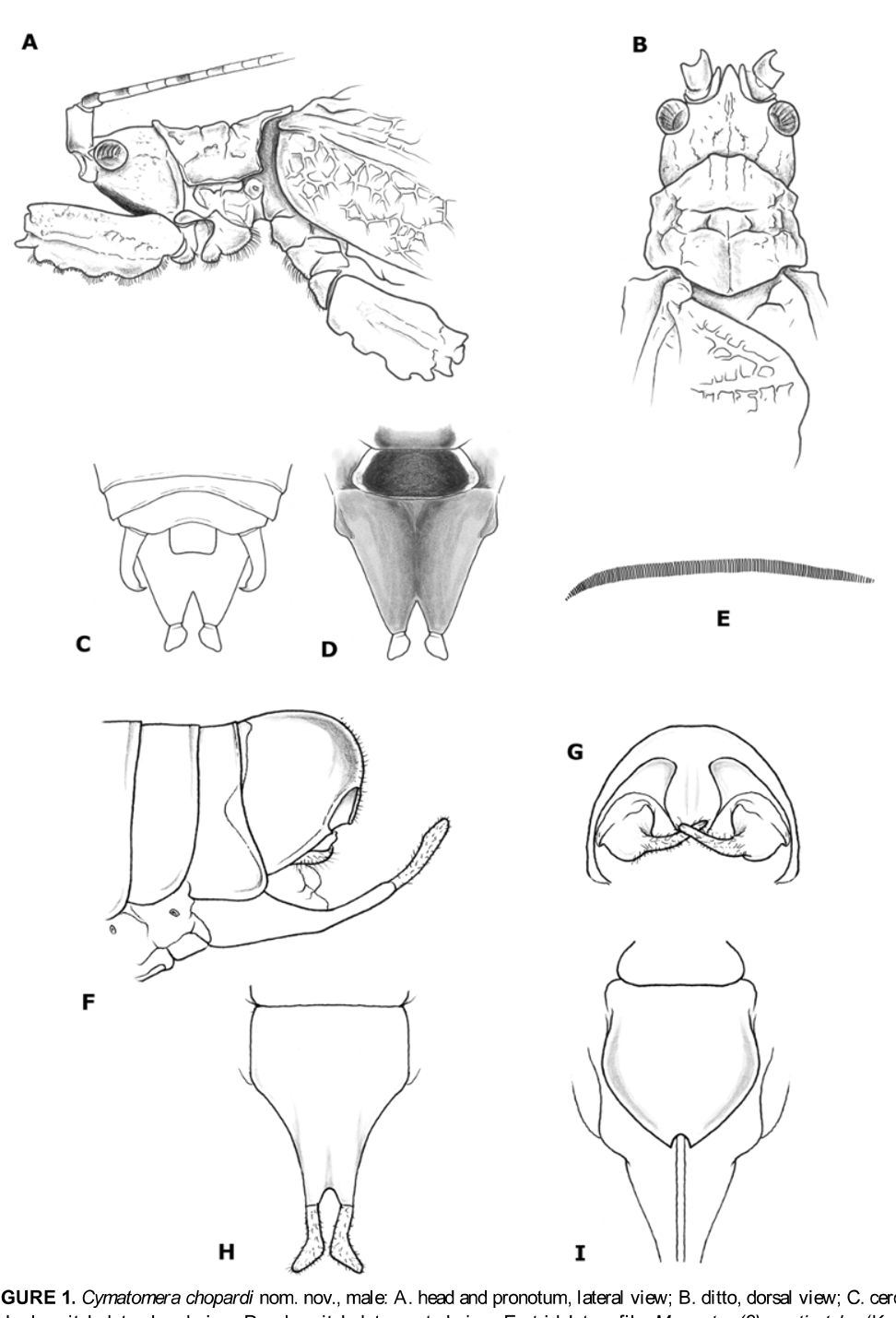
( Figs. 1 View FIGURE 1 A-E; 7 A–B; 11 A)
Cymatomera chopardi nom. nov. is a replacement name for Cymatomera modesta Chopard, 1954 , which is a junior primary homonym of Cymatomera modesta Brunner von Wattenvyl, 1895 (now considered a junior synonym of Cymatomera denticollis Schaum, 1853 from East Africa and Madagascar.) C. chopardi had been known only from the female holotype collected in Guinea, but a male specimen was recently collected in Ghana (attracted to a mercury vapor light.) These insects are excellent bark mimics, with strongly dorso-ventrally flattened body, and legs with wide, lateral lobes; their appendages are strongly hirsute, which helps eliminate shadow when the insect rests on a branch. The male is described below.
Description of male
General. — Body of medium size, slender; strongly flattened dorso-ventrally (fig. 11 A). Head. — Antennae as long as body; antennal scapus with short apical spine. Fastigium of vertex triangular; grooved dorsally, surpassing antennal sockets. Frons slightly concave; strongly oblique. Eyes oval, distinctly protruding (fig. 1 B).
Thorax. — Humeral sinus of pronotum absent; lateral lobe wider than high; marginal fold of pronotum poorly developed, with small tubercles along lower edge of lateral lobe; pronotum surface covered with sparsely distributed callosities. Anterior margin of pronotum flat, with a pair of small tubercles; metazona flat, unarmed; posterior edge of metazona broadly angular (fig. 1 A). Prosternum unarmed; sternum flat.
Legs. — Legs robust, strongly flattened laterally. Front tibia unarmed dorsally; tympanum bilaterally closed, with narrow, forward facing slits; front femur strongly laterally compressed; dorsal edge straight, ventral edge with sinuous lobes; genicular lobes of front femur unarmed. Mid tibia unarmed dorsally; with distinct, sinuous lobes on dorsal margin; mid femur with dorsal edge broadly sinuous, ventral edge with distinct sinuous lobes; genicular lobes of mid femur unarmed. Dorsal spines of hind tibia reduced to minute, semicircular protuberances; hind femur with dorsal edge unmodified, ventral edge with sinuous lobes; genicular lobes of hind femur unarmed.
Wings. — Wings broad, in repose held horizontally against substrate; tegmen distinctly surpassing apex of abdomen; anterior margin rounded; apical third broadly rounded; left stridulatory area coriaceous, without mirror; right stridulatory area without distinct, clearly developed mirror; vein Rs branching off in proximal third of tegmen; veins Sc and R close together, parallel along their entire length; veins Rs, M, and Cu straight, running parallel to each other along entire length of tegmen. Stridulatory file flat, weakly bent along its entire length (fig. 1 E), 3.2 mm long, 0.185 mm wide, with 165 teeth. Hind wing as long as tegmen.
Abdomen. — Supraanal plate rectangular, slightly wider than long. Cercus bent in apical fourth, with small apical tooth (fig. 1 C). Subgenital plate elongate, narrowly trapezoidal; with deep, narrowly triangular incision. Styli flattened, spatulate, slightly divergent (fig. 1 G).
Coloration. — Coloration gray, lichen-like; face black; eyes with distinct vertical stripes; occiput without markings; antennae with dark annulations; pronotum without markings; tegmen gray, with indistinct darker markings; hind wing slightly fumose, with distinct checkered pattern; hind legs gray, with indistinct darker markings; abdominal sterna black; subgenital plate black.
Measurements ( 1 male). — body w/wings: 39; body w/o wings: 24; pronotum: 4.5; tegmen: 29; hind femur: 10 mm.
Material examined. — Ghana: Eastern Region, Ajenjua Bepo Forest Reserve, elev. 300–320 m ( 6 ° 22 ' 2.3 ''N, 1 ° 1 ' 58 ''W), 26–30.viii. 2006, leg. P. Naskrecki, V. Awotwe-Pratt and M. Bakowski (Camp 1)— 1 male ( MCZ); Guinea: Nimba, Base IFAN, vii–xii. 1951, leg. M. Lamotte and R. Roy— 1 female ( holotype) ( MNHN).
No known copyright restrictions apply. See Agosti, D., Egloff, W., 2009. Taxonomic information exchange and copyright: the Plazi approach. BMC Research Notes 2009, 2:53 for further explanation.
|
Kingdom |
|
|
Phylum |
|
|
Class |
|
|
Order |
|
|
Family |
|
|
Genus |

Cymatomera chopardi
| Naskrecki, Piotr 2008 |
Cymatomera modesta
| Chopard 1954 |
Cymatomera denticollis
| Schaum 1853 |